First Race Checklist: The Night Before, the Bag, and the 90 Minutes That Decide It
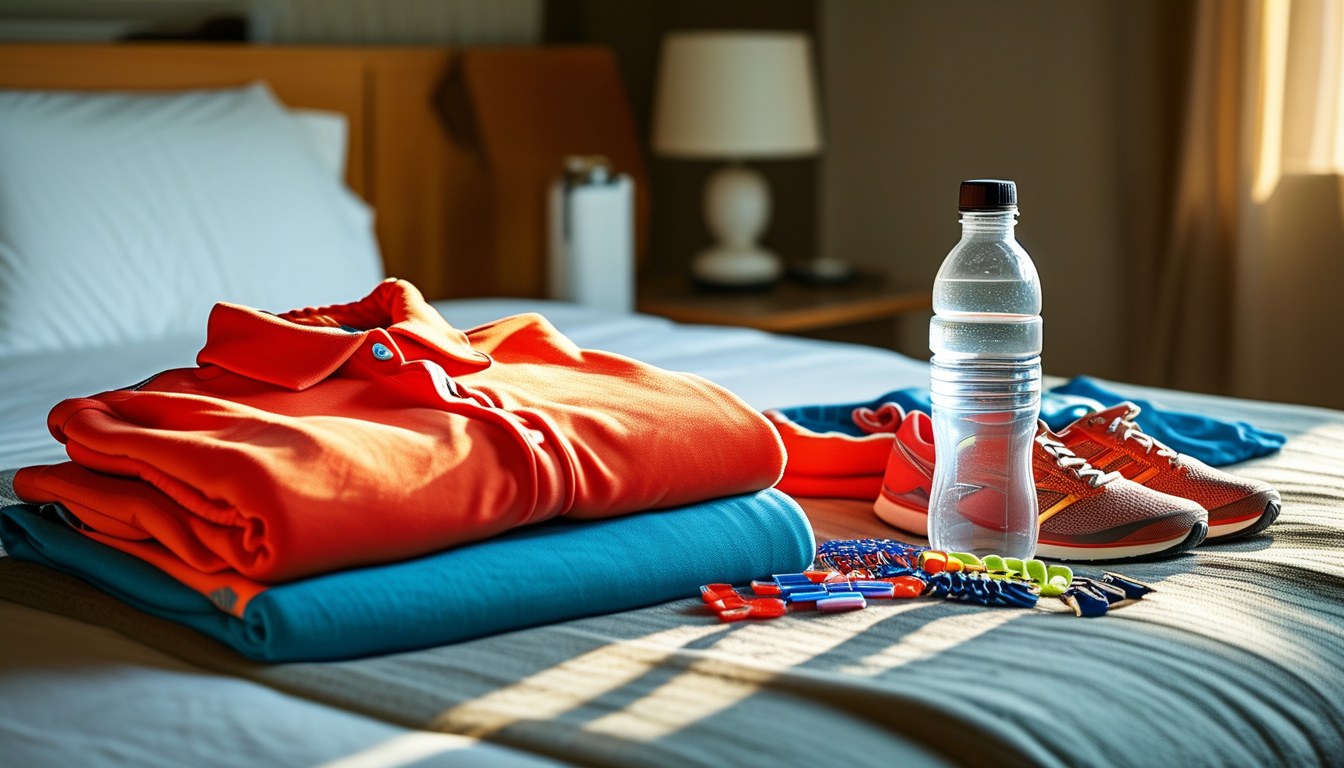
- Pin the bib the night before. It is the single most common race-morning scramble and it takes four safety pins.
- Work backward from the gun: eat three hours out, arrive 60 to 90 minutes out, jog easy 20 minutes out.
- Nothing new on race day — not shoes, not socks, not the free race shirt, not a gel flavor you have never tried.
The gist — A first race goes wrong in three places: the bib, the bathroom line, and the start-line temperature. Pin the number the night before, arrive an hour early, and bring a layer you are willing to throw away.
Nobody tells you that the hardest part of a first race is the 90 minutes before it, when you are standing in a field in the dark holding a plastic bag and wondering whether the toilet line is going to cost you the start.
What do you do the night before?
- Pin the bib to the shirt you are actually wearing. Four pins, one per corner, on the front. Not the jacket you might wear.
- Lay the whole kit out in one place. Shorts or tights, top, sports bra, socks, shoes, watch, lubricant, gels.
- Check the start time and the parking, separately. Bar Harbor's half goes at 7:00 a.m. this Saturday but its walkers leave at 6:15, and lots fill around the earlier number.
- Charge the watch. Obvious, forgotten weekly.
- Set two alarms. One on the phone, one on anything else.
Dinner is not the place for experiments. Eat something you have eaten before a long run, in a normal portion, early enough that you are not full at bedtime.
What does the morning timeline look like?
| Time before gun | What happens |
|---|---|
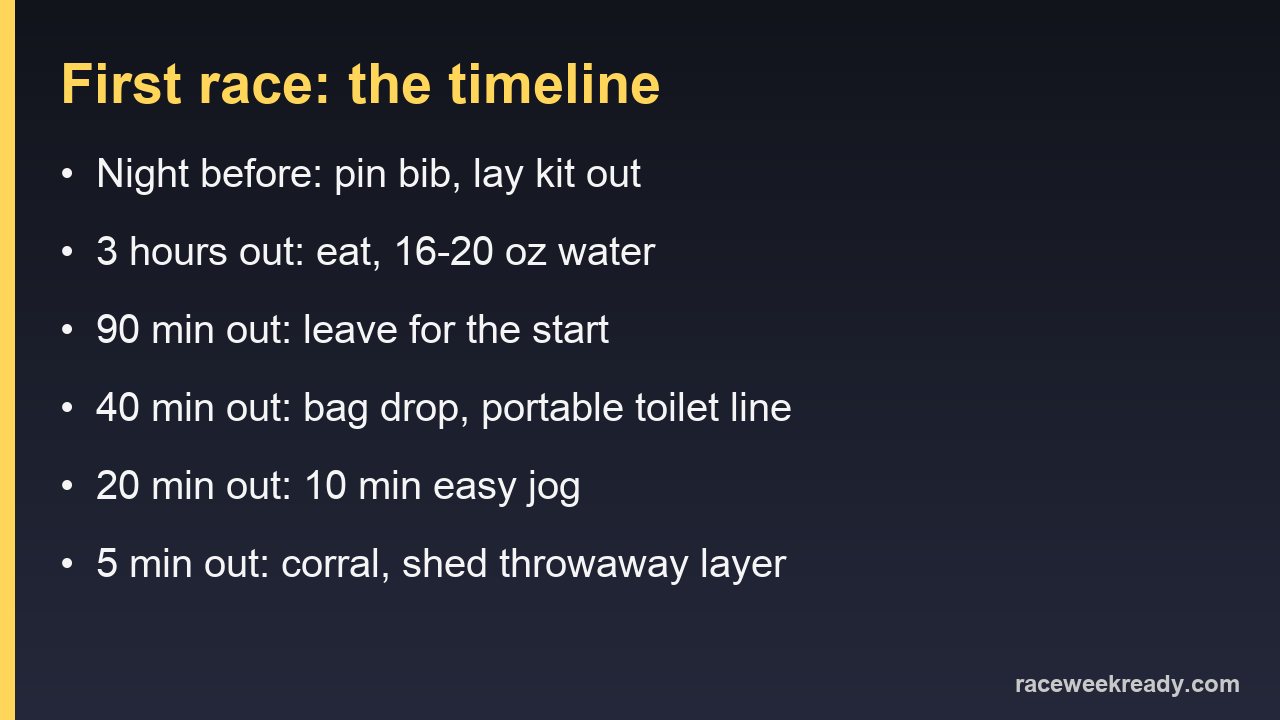
| 3 hours | Wake, eat 300–500 calories you have tested, 16–20 oz water |
| 90 minutes | Leave for the start; assume parking takes twice as long as you think |
| 60 minutes | Arrive, find bag drop, find the toilets, note where they are |
| 40 minutes | Join the toilet line. It is longer than it looks and it moves slowly |
| 20 minutes | Easy 10-minute jog plus a few strides; this is also when you decide on layers |
| 10 minutes | Drop the bag, take a last sip, get in the corral |
| 5 minutes | Shed the throwaway layer, start the watch's GPS search |
Race-morning entries change this. Erie takes entries until 6:00 a.m. for a 7:00 a.m. start, which leaves an hour for something that should take ten minutes — and it is the hour you wanted for the bathroom line.
What goes in the bag?
- Dry shirt and dry socks for after. The single best item in the bag.
- Throwaway layer for the corral — an old sweatshirt or a trash bag with arm holes.
- Four safety pins spare, because someone near you will need them.
- Lubricant for underarms, inner thighs and anywhere a seam sits.
- Gels or chews you have already trained with, plus one spare.
- Cash and ID. Phone batteries die in the cold.
- Sandals or loose shoes for afterward. Your feet will have opinions.
What should you wear if you have never done this?
Whatever you have already run in. Race day is the worst possible day to debut anything.
For the 53°F to 56°F starts on this weekend's board — Gig Harbor, Salem, Bar Harbor, Bellvue — that means shorts or capris and a short-sleeve, with a layer you can drop. For Bozeman's 41°F Sunday start, tights and a long sleeve. Our temperature chart has the full bands, and the weekend's numbers are in the race listings.
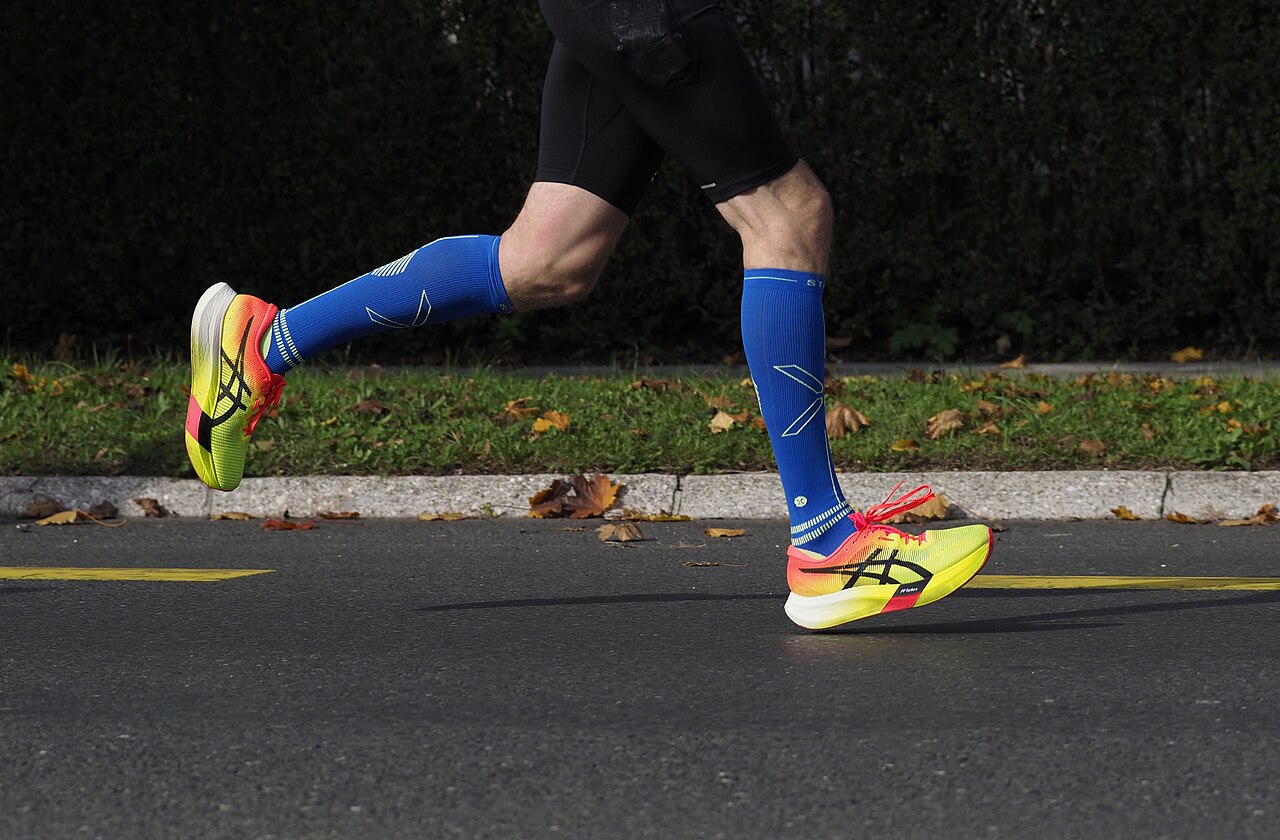
One note on tights: comfort here is about waistband and length, not price. A pair that ends at the wrong place on your calf will annoy you for 13 miles, so check which inseam suits your height before you order anything new.
What do first-timers get wrong?
- Starting too far forward. Line up by your realistic pace, not your hopeful one, or you will spend two miles being passed.
- Racing in the event shirt. Cotton, unwashed, unproven. Frame it instead.
- Skipping the warm-up because the race is long. Ten easy minutes costs nothing and tells you what your legs have.
- Taking every aid station cup at speed. Walking five steps through a station loses seconds and saves a soaked shirt.
- Trying a new gel flavor a friend swears by. Your stomach disagrees at mile nine.
How early should I actually arrive?
Sixty minutes for a local half, ninety for anything with shuttle buses, a point-to-point start, or a walk from parking. Erie is the example this weekend: its permit puts all parking at Waldameer Park and every runner walks roughly 0.6 miles down to the start pavilion. That walk is not in anyone's plan until it is.
Do I need to carry water for a half marathon?
Not usually. Every race on this weekend's board has aid stations. Carry your own only if you need a specific drink mix.
What if it rains?
Brimmed cap, no cotton, and lubricant on anything that touches fabric. Gig Harbor and Salem both carry rain chances on Sunday, and wet at 54°F is colder than dry at 46°F.
TL;DR — Pin the bib tonight. Eat three hours out, arrive an hour out, join the toilet line 40 minutes out, jog easy at 20. Wear what you have already run in, bring a layer you can abandon, and put dry socks in the bag for afterward.
What does the week before look like?
Less than you think, which is the hardest part. The fitness is already in the bank by Monday; the job for the remaining six days is arriving rested and unsurprised.
- Monday: easy 20–30 minutes. Read the race's own logistics page — parking, packet pickup, road closures.
- Tuesday: a short session at race pace, no more than 15 minutes of hard running total.
- Wednesday: rest or easy. Order nothing new that has to arrive by Friday.
- Thursday: easy 20 minutes in the exact kit you plan to race in, including socks.
- Friday: rest. Pack the bag. Pin the bib.
- Saturday: 10–15 minutes easy with two or three strides, then leave it alone.
Thursday is the underrated day on that list. Running 20 minutes in the full kit is how you discover a seam that rubs while there is still time to choose something else — and if the answer is a different length, the inseam chart beats guessing. Weekend conditions are in the race listings, and band-by-band kit is in what to wear.
Sources
- Start times and race-morning entry cutoffs: registration pages for the Erie Marathon and the Bar Harbor Bank & Trust Half, checked Sept. 8, 2026.
- Forecast conditions: National Weather Service, retrieved Sept. 8, 2026.
- Kit sizing: Legging Size Guide; current pricing: Activewear Deals.